

Flora and Fauna of Lipsi Island
Lipsi is a small natural paradise in the heart of the Dodecanese, where Mediterranean biodiversity expresses itself in an authentic and pristine way.


Mediterranean flora
Walking through Lipsi is like crossing a living encyclopedia of Mediterranean scrub. Centuries-old olive trees, carobs, almond trees and wild figs have shaped the island's agricultural landscape for generations.
Among the stones thrive the aromatic herbs of Greek cuisine: wild thyme, oregano, sage, rosemary and mint. Just rubbing them between your fingers is enough to take home the scent of the island. In spring Lipsi explodes with color — poppies, anemones, cyclamens and a surprising variety of wild orchids — while in September myrtles, broom and capers bloom along the dry stone walls.


The lemon, gold of Lipsi
In the private gardens of Lipsi grows the silent Mediterranean lemon: an evergreen plant with intensely fragrant white blossoms and fruits that slowly ripen under the Aegean sun.
Its blossoms open the spring with a perfume you can smell from afar. The fruits, hand-picked in the cooler months, offer a thick and richly scented peel — the secret ingredient of artisanal liqueurs, traditional desserts and the island's fish dishes.
A lemon tree in the garden, on Lipsi, is much more than a plant: it's a small daily ritual.
Land and Sky Fauna
The fauna of Lipsi tells the story of an island still authentic, where animals live in harmony with a landscape that has remained almost untouched.
Wild goats are the true queens of the island: they move freely among the rocks, a silent symbol of a land that refuses to be tamed. They are accompanied by wild rabbits, hedgehogs and small Mediterranean geckos basking in the sun on the dry stone walls.
The sky of Lipsi is a theater of its own. Above the cliffs of the nearby islets soars the Eleonora's falcon (Falco eleonorae), one of the rarest birds of prey in the Mediterranean. Among the olive trees you'll find hoopoes with their unmistakable plumage, bee-eaters with tropical colors and the eternal song of cicadas that accompanies the summers.

Bee-eater

Marine Life
The waters of Lipsi are crystal-clear like few in the world: a transparency that makes the seabed seem within reach even at ten meters deep.
The seabed hosts schools of sea bream, salema, brightly colored wrasses, scorpionfish, mimetic octopuses, cuttlefish and moray eels hidden among the rocks.
In the meadows of Posidonia oceanica — the green lung of the Mediterranean, protected at European level — hide seahorses, starfish and purple sea urchins.
The luckiest encounter the Caretta caretta sea turtles that frequent these waters, and with a little patience from the boat one can spot dolphins playing in the wake.
But the true king of Lipsi's sea is the Mediterranean monk seal (Monachus monachus) — one of the most threatened species in the world, which has chosen the caves of the surrounding islets as its last refuge. Lipsi's coves are a paradise for snorkeling and freediving: calm waters, exceptional visibility, and that rare feeling of swimming in a sea still alive.
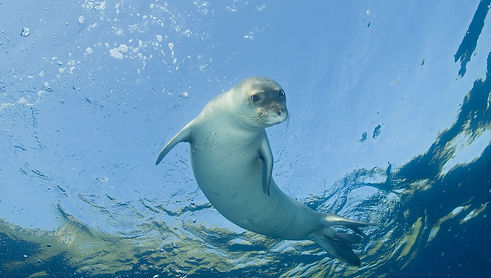
Waters as transparent as few in the world: in Lipsi, the Mediterranean shows its best.


To receive the password to access the private area with in-depth videos and photos of the villa and on the price, contact: